
Corporate & Event Transport Planning
Corporate Event Transportation Sharjah Guide
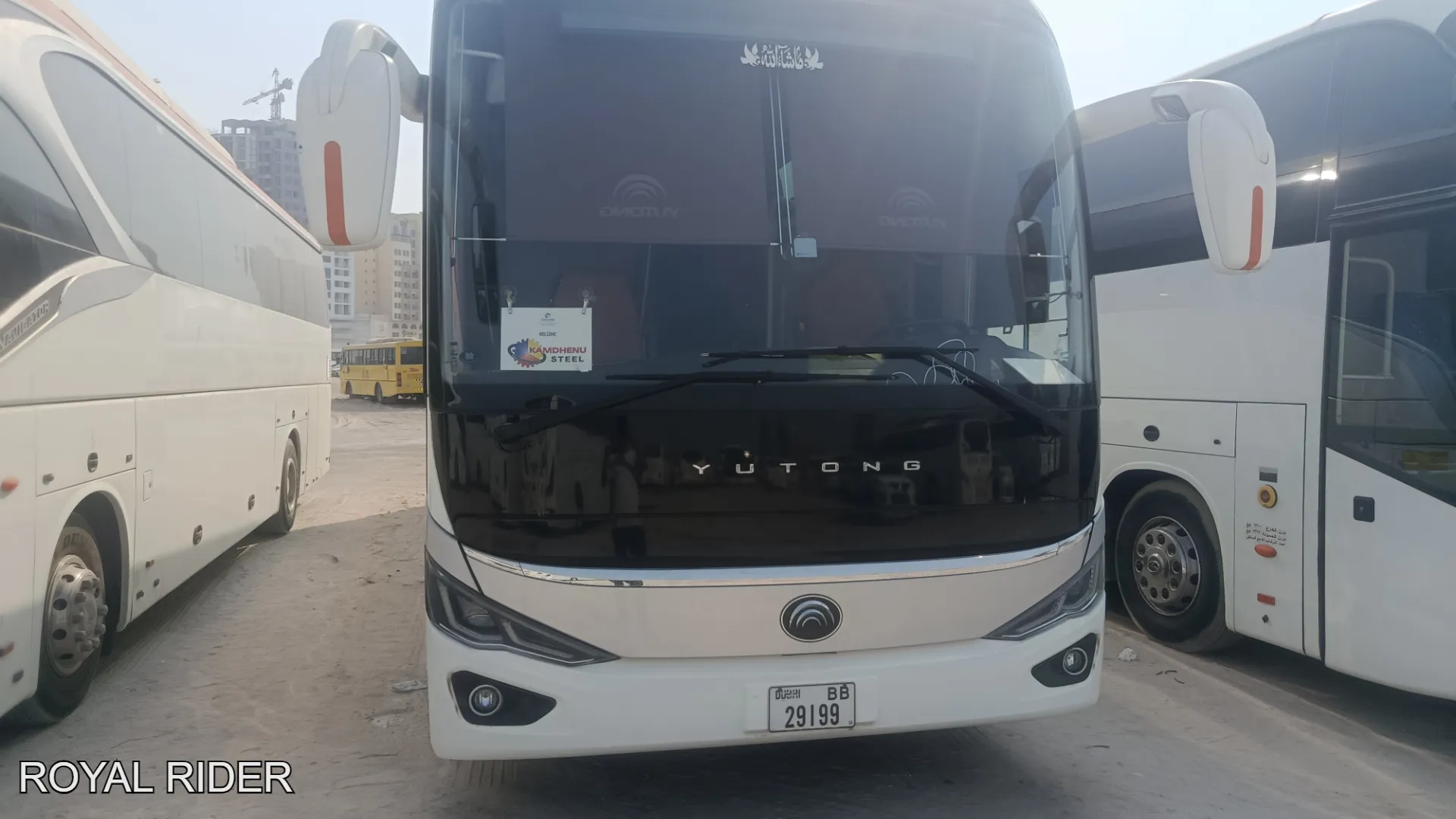
Corporate event transport works best when it is planned as an operation rather than a collection of separate bus bookings. Organize delegates, executives, employees, speakers and event teams between airports, hotels and venues in Sharjah using suitable vehicle sizes, clear pickup points and a coordinated service schedule.
Quick Answer
How Should Corporate Event Transportation in Sharjah Be Planned?
Event Transport Details
Plan the Event Transport from Arrival to Return
Start with the passenger groups, then map pickup points, arrival times, luggage, vehicles, loading areas and return movements.
Start with the Movement
Corporate Event Transport Is More Than Choosing a Bus
A company may know that 80 people are attending an event, but that number alone does not tell you how many vehicles are required. Twenty delegates may be staying at one hotel, another 25 at a second property, senior managers may need separate executive transport, and the remaining attendees may be local employees travelling from an office or accommodation. If everyone is treated as one passenger group, the transport schedule can become unnecessarily complicated.
The first task is therefore to map the movements. Identify each origin, destination and required arrival time. Airport arrivals should be treated separately from hotel shuttles. Event staff who need to reach the venue before guests should have their own timing. Speakers or executives may need a different vehicle and departure schedule. Once these movements are separated, vehicle selection becomes much more accurate.
This approach also prevents overbooking or underbooking capacity. A large coach can be efficient when 40 or 50 delegates leave one hotel together, while a passenger van or minibus can be more practical for a smaller hotel group. The purpose is not to use the largest bus available; it is to create a transport plan that moves every passenger group reliably.
Step-by-Step Method
8 Steps for Planning Corporate Event Transportation in Sharjah
1
Build the Passenger Manifest
Start with expected attendees and divide them into delegates, staff, executives, speakers, exhibitors or other useful groups. Record the hotel, flight or pickup point for each group where possible.
2
Map Every Pickup Point
List hotels, offices, airports, residences and staff accommodation separately. Do not combine locations on paper until you know their passenger numbers and required departure times.
3
Set Required Arrival Times
Work backwards from registration, conference opening, exhibition access or staff reporting time. Allow enough time for boarding, loading, route conditions and walking from the drop-off point to the event area.
4
Count Luggage & Equipment
Airport delegates may have checked suitcases and cabin bags. Exhibitors may carry display material, while production teams may have equipment. These items can change the suitable vehicle size and type.
5
Choose Vehicles by Movement
Assign each route its own practical vehicle size instead of choosing one vehicle type for the entire event. Small executive groups and large hotel shuttles do not need the same vehicle.
6
Plan the Loading Point
Confirm where passengers will assemble and where vehicles can practically collect them. For several buses, use numbered vehicles and a clear boarding sequence.
7
Build the Return Schedule
Do not treat the return as an afterthought. Define the event finish time, passenger assembly location, hotel groups and whether departures will happen together or in waves.
8
Assign an Event Coordinator
One customer-side contact should be able to confirm passenger movements, communicate changes and coordinate with group leaders when several vehicles are operating.
Vehicle Selection
Which Vehicle Fits a Corporate Event Group?
VIP Vans for Executives & Speakers
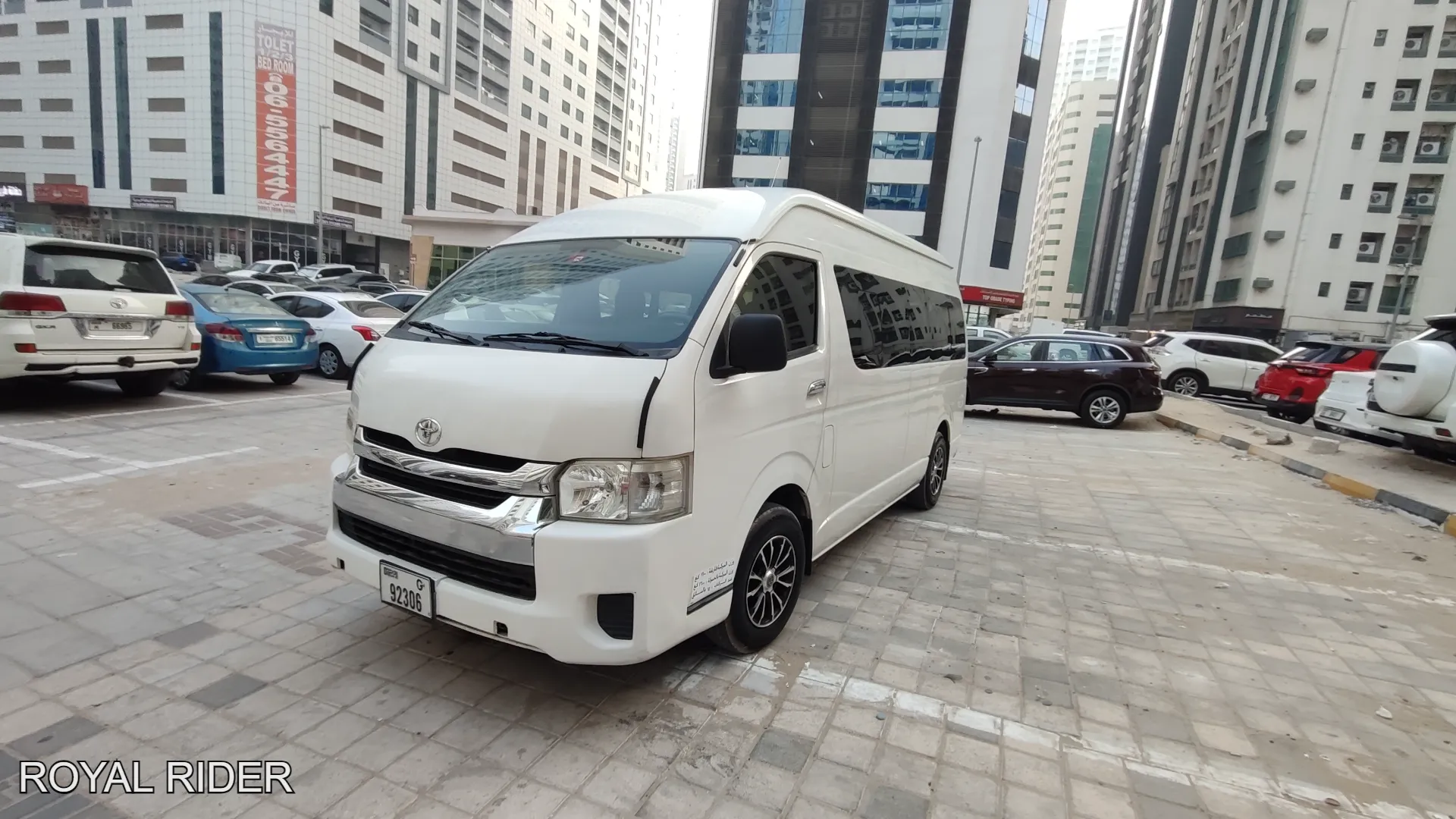
VIP vans are practical for directors, speakers, hosted guests and small executive groups that need a more private movement between hotels, airports, offices and venues. Mercedes V-Class/Viano, Vito or Sprinter-type options may be available depending on passenger count, luggage and the required presentation.
10–15 Seater Passenger Vans
Passenger vans and Hiace-type vehicles suit small corporate teams, hotel groups and airport arrivals. When delegates carry checked luggage, the practical passenger count can be lower than the nominal seating capacity, so bags should be counted before the vehicle is confirmed.
20–30 Seater Minibuses
Coaster and similar minibuses work well for medium-size delegate groups travelling between hotels, conference venues, offices and event locations. They can be especially practical when several hotel routes need separate vehicles rather than one large coach making many stops.
30–35 Seater Buses
A 33–35 seater bus can keep a medium-to-large corporate group together for exhibitions, conferences, product launches and scheduled hotel transfers. For airport movements, check the luggage requirement separately from the seating requirement.
40–53 Seater Luxury Coaches
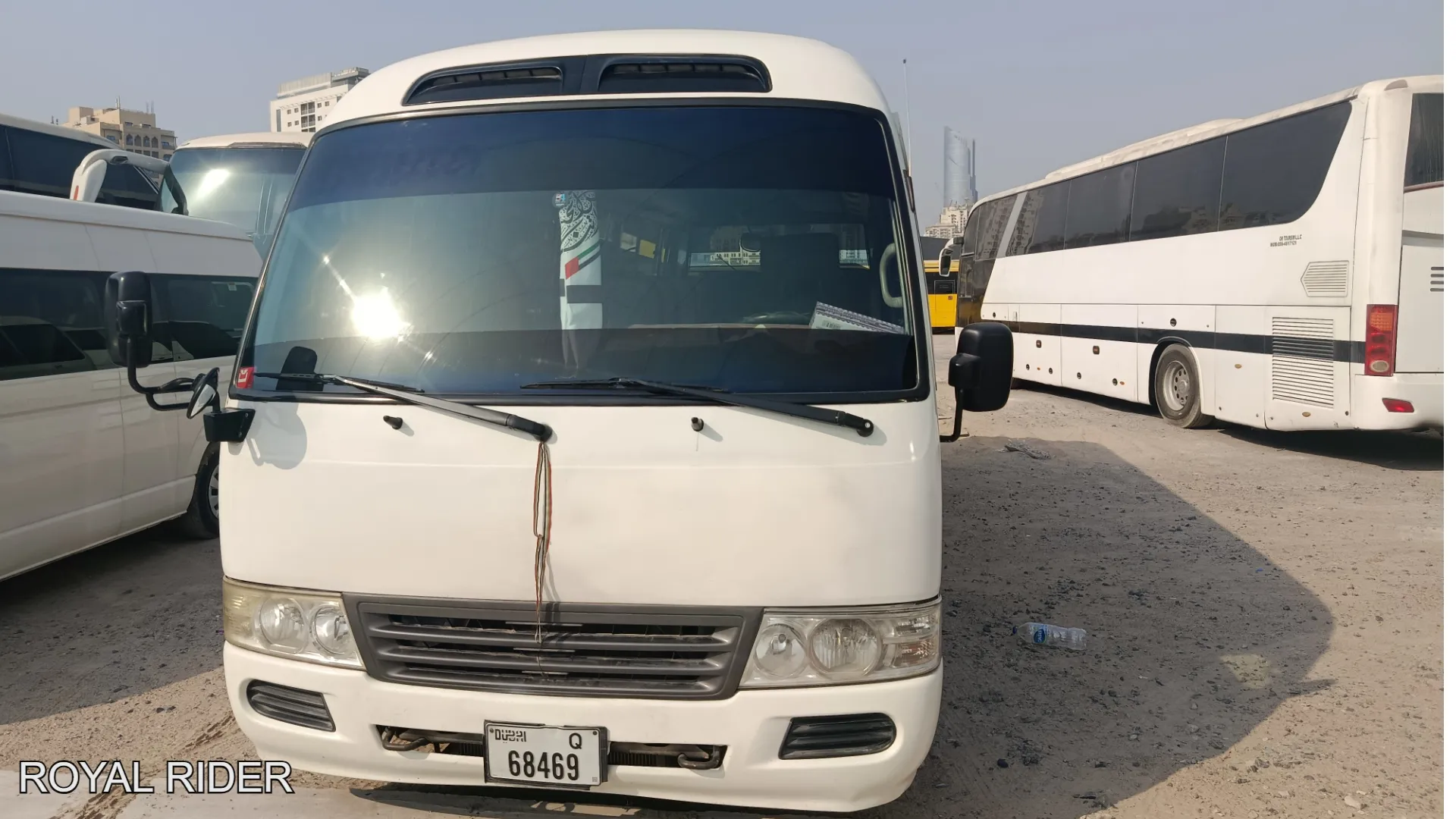
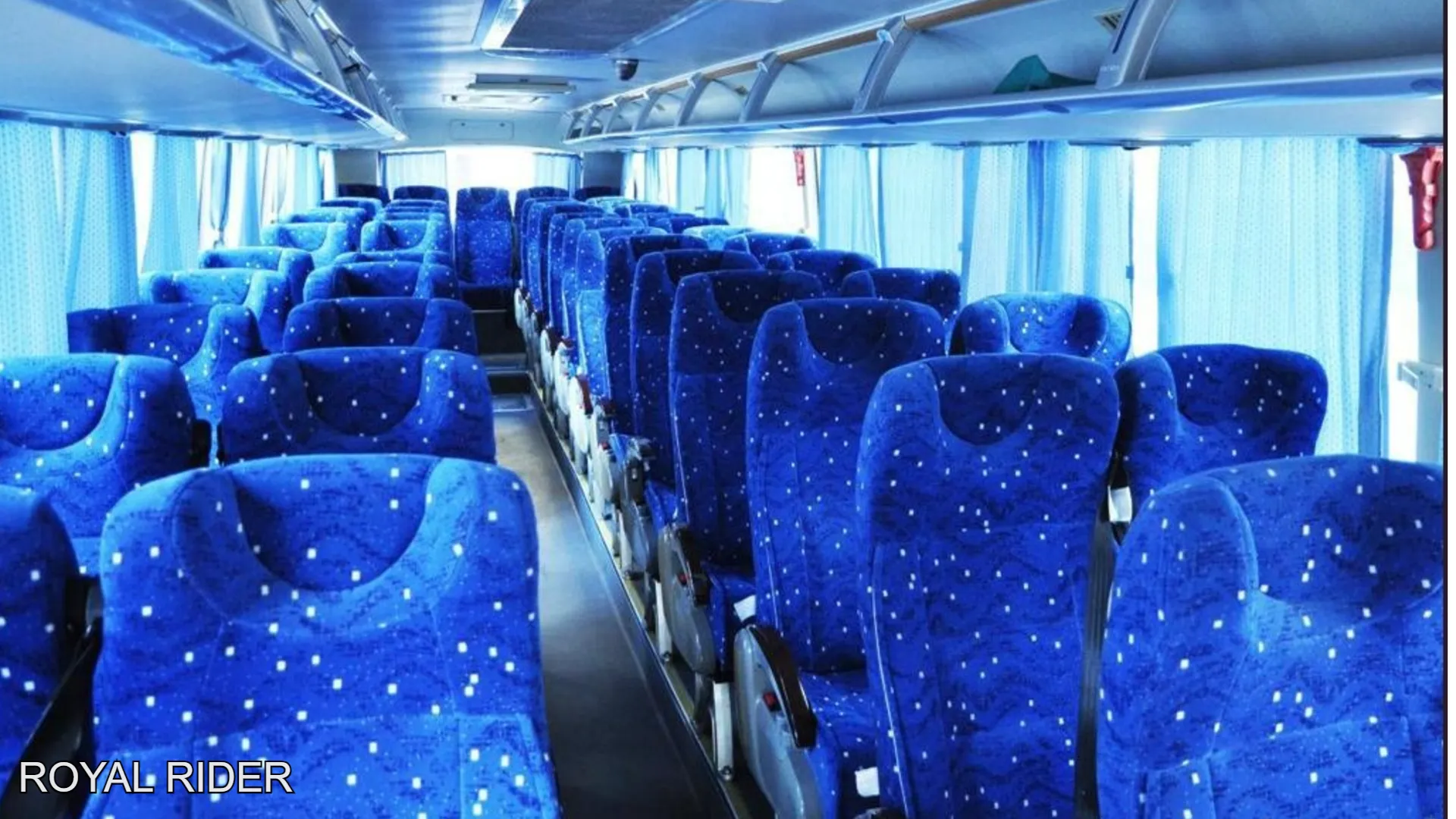
Large coaches are suitable for bigger conference groups, exhibition visitors and hotel-to-venue shuttle movements where many passengers follow the same route and timetable. Coach configurations with larger luggage storage can also be useful for airport and inter-emirate movements.
Multi-Bus Fleets for 100+ Attendees
When the event exceeds the practical capacity of one coach, plan the service as a fleet operation. Divide passengers by hotel, department, flight or destination, then give each vehicle a defined loading point, departure time and group contact.
For the complete vehicle range, compare the Royal Rider fleet. Large passenger numbers should also be checked against the large-capacity transportation information rather than relying on nominal seat count alone.
Corporate Transport Gallery
Vehicles for Different Event Movements
Delegate Arrivals
Airport Transportation for Corporate Events in Sharjah
Group Arrivals into Practical Transfer Waves
If 60 delegates are attending a conference but they arrive on six different flights, booking one 60-passenger movement does not solve the arrival requirement. The flight list should be sorted by airport, terminal and arrival time. Passengers landing close together can then be grouped into practical transfer waves.
Each arrival group should include passenger names, flight details, hotel destination and luggage information. International delegates may have large checked baggage, so a vehicle that is adequate for a local hotel shuttle may not provide the same practical capacity for an airport transfer.
For complicated arrivals, prepare the airport movement separately from the daily conference shuttle. See group airport transportation for the full manifest, flight-wave and luggage-planning process.
Hotel Shuttle Planning
How to Move Delegates from Several Hotels to One Venue
Multi-hotel transportation is one of the most common reasons a corporate event needs more than one vehicle. If guests are spread across three hotels, the simplest-looking solution may be to send one large coach to all three. In practice, that can create an early pickup for the first hotel, repeated loading delays and an unnecessarily long route before the vehicle reaches the venue.
A better plan starts with the number of delegates at each hotel. A hotel with 40 guests may justify its own large coach, while a nearby property with 12 delegates may use a smaller vehicle. Two hotels can be combined when their locations and passenger numbers make the route practical, but the decision should be based on the required venue arrival time rather than vehicle capacity alone.
Give each hotel a named pickup point and departure window. For large conferences, placing a coordinator or group leader at the busiest hotel can help confirm the passenger count before departure. Guests should know the vehicle number or destination before boarding so the driver is not expected to reorganize the manifest at the curb.
Event-Day Operations
What Needs to Happen on the Day of the Event?
Passenger Assembly
Ask delegates to assemble before the planned departure time rather than treating the departure time as the time to start finding passengers. Large groups need additional time for headcounts and boarding.
Vehicle Identification
When several buses are present, identify them clearly as Bus 1, Bus 2 and Bus 3 or by hotel/company group. Passenger allocation becomes much easier when everyone knows which vehicle to use.
Venue Drop-Off
Confirm the practical passenger drop-off location and allow time for delegates to walk from the vehicle to registration, security or the event hall. The bus arrival time is not always the same as the required attendee arrival time.
Schedule Changes
Corporate events can finish early or run late. A single event contact should communicate approved timing changes so drivers and separate passenger groups do not receive conflicting instructions.
Return Assembly
Tell passengers exactly where and when to meet after the event. Large venues can have several exits, so vague instructions such as “outside the venue” can create avoidable delays.
Final Headcount
For allocated groups, the coordinator can confirm whether everyone is present before departure. This is particularly useful when several coaches leave for different hotels.
Large Conferences & Exhibitions
Planning Transportation for 50, 100, 200 or More Attendees
1
Groups Up to About 30
One suitable passenger van, minibus or small vehicle combination may be enough when the group follows the same route. Confirm passenger count, luggage and pickup points before selecting the vehicle.
2
Groups of About 30–50
One larger bus or coach may work when everyone travels together. Check usable seating, luggage space, venue access and whether executives or staff need separate movements.
3
Events with About 50–100 Attendees
Passenger allocation becomes more important. The group may need one large coach plus a support vehicle, or several vehicles divided by hotel, flight, department or departure time.
4
Events with About 100–200 Attendees
Use a coordinated multi-bus plan with numbered vehicles, passenger manifests, defined staging areas and group leaders. Each bus should have a clear route and departure instruction instead of relying on random boarding.
5
Events with 200+ Attendees
Large events normally require multiple passenger waves and stronger dispatch control. Hotel loading, venue access, bus staging and return movements should be planned as separate operational steps.
6
Keep Operational Capacity in Reserve
Do not calculate the fleet with every seat assumed to be occupied. Late registrations, coordinators, luggage, split routes and schedule changes can alter the final allocation, so some practical operating margin is useful.
For large conferences and exhibitions, prepare the passenger manifest and movement schedule before finalizing the number of vehicles. This makes it easier to identify which groups can travel together, which hotels need dedicated buses and where additional vehicles are required for VIP, airport or staff movements.
Executives & Speakers
VIP Transportation Within a Larger Event Plan
Keep VIP Movements Separate When the Schedule Requires It
Executives, speakers and hosted guests may not follow the main delegate schedule. A speaker may need to arrive before the conference opens, a director may leave immediately after a session, or an executive group may travel from a different hotel. Trying to place these passengers into the main coach schedule can make the larger operation less flexible.
VIP van options can include Mercedes V-Class/Viano, Mercedes Vito or Sprinter configurations, subject to availability and the passenger/luggage requirement. The model should not be promised until the assigned vehicle is confirmed. For some movements, a standard passenger van is sufficient; for others, privacy and presentation justify a VIP vehicle.
Multi-Day Programs
How to Plan Transportation for a Two-, Three- or Five-Day Corporate Event
A multi-day event should not automatically repeat Day 1’s transport schedule. Attendance can change by day, breakout sessions may finish at different times, airport departures may begin before the event ends, and an evening dinner or networking function may introduce a completely different route.
Create a transport sheet for each event day. Record the first pickup, every hotel or origin, required venue arrival, daytime movements, evening function and final return. Where the same shuttle repeats each day, keep the route consistent so passengers learn the system. Where the schedule changes, communicate the difference clearly rather than assuming delegates will remember an updated verbal instruction.
For recurring or longer service requirements, the commercial structure may also differ from a single transfer. Check current rates, while How Bus Rental Pricing Works UAE explains why vehicle size and type, operating time, route and service pattern affect quotations.
Common Problems
Corporate Event Transport Mistakes to Avoid
Booking from Attendance Alone
Total registrations do not show where passengers are staying or when they need to move. Build the movement list first.
Too Many Hotel Stops
A vehicle that visits too many properties can make the first guests leave unnecessarily early and can increase the risk of a late venue arrival.
No Luggage Count
Airport delegates can turn a simple passenger-capacity calculation into a luggage-capacity problem. Count bags separately.
No Return Plan
Guests need a specific assembly point and departure time after the event, especially when several vehicles return to different hotels.
Random Boarding
For multiple buses, assigning passengers in advance is more reliable than allowing every attendee to choose a vehicle at departure.
No Single Coordinator
Conflicting instructions from several organizers can disrupt the fleet. Use one lead transport contact and defined group leaders.
Sharjah + UAE Connections
When the Corporate Event Journey Extends Beyond Sharjah
Corporate event transportation in Sharjah often connects with a wider UAE itinerary. Delegates may arrive through a different city, stay at hotels outside the event area, attend meetings in more than one Emirate or continue to another venue after the main program. These movements should be included in the transport schedule from the beginning rather than added as isolated last-minute transfers.
If the event includes Dubai pickups, airport movements, inter-emirate meetings or larger touring requirements, the route and service duration can affect the most practical vehicle plan. Royal Rider’s bus rental Dubai service can also support Dubai pickups, airport movements and inter-emirate corporate transport connected with Sharjah events.
Organizer Checklist
What to Send When Requesting an Event Transport Quote
✔
Event Dates
Include every service day and identify setup days, conference days and departure days where transport is required.
✔
Passenger Numbers
Separate delegates, staff, executives, speakers and other groups if they have different schedules.
✔
Hotels & Pickup Points
Provide exact locations and expected passenger counts at each property or origin.
✔
Venue Schedule
Give required arrival times, event finish times and any midday or evening movements.
✔
Flights & Luggage
For airport movements, include flight details and a realistic count of checked and oversized baggage.
✔
VIP Requirements
Identify executives or speakers who require separate timing or vehicle arrangements.
Frequently Asked Questions
Corporate Event Transportation Sharjah FAQs
Answers for organizers planning conference, exhibition, corporate shuttle, airport, hotel, VIP and multi-bus transportation.
What is corporate event transportation in Sharjah?
Corporate event transportation is a planned movement service for delegates, employees, speakers, exhibitors, guests and event teams travelling between airports, hotels, offices, venues and other scheduled locations in Sharjah. The transport plan can use one vehicle or a coordinated fleet depending on passenger numbers and timing.
What types of corporate events can use bus transportation in Sharjah?
Bus and coach transportation can be planned for conferences, exhibitions, trade events, company meetings, seminars, product launches, award functions, staff gatherings, training programs and other organized business events.
What vehicle size is suitable for a small corporate group?
Small corporate groups can often use passenger vans or VIP vans. The correct choice depends on the final passenger count, luggage, presentation requirement and whether the vehicle is being used for an airport transfer, hotel shuttle or executive movement.
What vehicle is suitable for 20 to 30 event delegates?
A minibus or Coaster-type vehicle can be practical for approximately 20 to 30 delegates, subject to the assigned seating configuration and luggage requirement. A larger vehicle may be preferable when passengers carry substantial baggage or when extra space is important.
What vehicle is suitable for 40 to 50 corporate guests?
A large bus or luxury coach is generally practical for a 40 to 50 passenger movement. The final vehicle should be selected using the actual manifest, luggage requirement, route and desired service standard.
Can you arrange transportation for more than 100 event attendees?
Large attendee movements can be organized as a multi-bus operation. Passengers should be divided into defined vehicle groups, and each bus should have a planned loading point, departure time and coordinator or group contact.
Can corporate buses collect guests from several hotels in Sharjah?
Yes. Multi-hotel collection can be planned, but the route should be designed around hotel locations, passenger numbers and the required venue arrival time. For large events, separate hotel shuttles can be more reliable than making one bus visit too many properties.
Can event transportation include Dubai hotels and Sharjah venues?
Cross-city event movements can be planned when the itinerary requires them. The booking should identify each pickup point, destination, service time and return requirement so the route and vehicle allocation can be assessed correctly.
Can airport transfers be included in a corporate event transport plan?
Yes. Airport arrivals and departures can form part of an event transportation plan. Flight numbers, terminals, arrival times, passenger names and luggage quantities should be provided so guests can be grouped into practical transfer waves.
How should flight arrivals be handled when delegates arrive at different times?
Delegates arriving on different flights should be grouped by practical arrival windows rather than making early arrivals wait unnecessarily. Depending on the flight schedule, this can require several transfer movements or different vehicle sizes.
Can VIP vans be used for executives and speakers?
VIP vans can be suitable for executives, speakers, senior management and small hosted groups where a more private vehicle is preferred. Options depend on availability and the required passenger and luggage configuration.
Can large coaches be used for exhibitions and conferences in Sharjah?
Yes. Large coaches can be practical for high-volume hotel-to-venue movements, delegate transfers and scheduled returns. The loading area and venue access plan should be agreed as part of the event schedule.
Should every event bus have a passenger list?
For larger events, allocating passengers by bus improves boarding control and headcounts. The list can be organized by hotel, company, department, flight, delegation or another grouping that makes sense for the event.
Do I need a transport coordinator for a corporate event?
A designated coordinator is strongly useful when several vehicles, hotels or passenger waves are involved. The coordinator can confirm boarding, communicate schedule changes and act as the main operational contact.
How early should corporate event transportation be planned?
Planning should begin once the event date, approximate attendance, venue and hotel pattern are known. Vehicle quantities can be refined as registrations, hotel allocations and flight details become clearer.
How much waiting time should be included before an event?
Waiting time should reflect the venue, group size and boarding process. Large groups need time to assemble, load and complete headcounts, so the pickup time should not be calculated as though every passenger will arrive at the curb simultaneously.
Can buses remain on standby during a corporate event?
Standby service may be arranged when the operating plan requires vehicle availability between movements. Whether standby is practical should be agreed when requesting the quotation because it affects vehicle scheduling and service duration.
How should return transportation after an event be planned?
The return plan should identify the event finish time, passenger assembly point, hotel or destination groups and whether all buses depart together or in waves. A clear return plan prevents confusion when a large number of guests leave at the same time.
Can event staff and guests use separate vehicles?
Yes. Separate vehicles can be useful when staff arrive earlier, leave later or follow a different route from guests. Dividing the movement by operational role can make the event schedule more reliable.
Can corporate event transportation run for several days?
Yes. Multi-day events can use a repeating shuttle plan or a different schedule each day. The full program should be shared so vehicle requirements, early starts, late finishes and route changes can be planned in advance.
Does luggage affect the bus size for conference delegates?
Yes. Delegates travelling directly from an airport or changing hotels may carry checked baggage, so passenger seats and luggage storage must be considered separately. A vehicle that is suitable for a local shuttle may not be suitable for the same number of passengers with large suitcases.
What information is needed for a corporate event transportation quote?
Provide the event dates, passenger numbers, pickup locations, hotels, venue, required arrival times, return times, luggage requirements, airport details if applicable, number of service days and any VIP or staff movements that need separate vehicles.
Is one large coach better than several minibuses for an event?
One coach can be simpler when everyone follows the same route and schedule. Several smaller vehicles can be better when guests are spread across hotels, arrive at different times or need separate departure waves.
How can organizers reduce delays in event transportation?
Use realistic pickup times, group passengers before boarding, assign vehicle numbers, provide a coordinator, communicate loading points clearly and avoid adding unplanned stops on the service day.
More Event Transport Information
Continue Planning Your Group Transportation
Planning an Event in Sharjah?
Send the Event Schedule, Hotels and Passenger Numbers
Share the event date, attendee groups, hotels, venue schedule, airport requirements and return plan. The transport can then be organized by movement, with a suitable vehicle assigned to each passenger group.